L'Armée des ombres (1969)
Published:
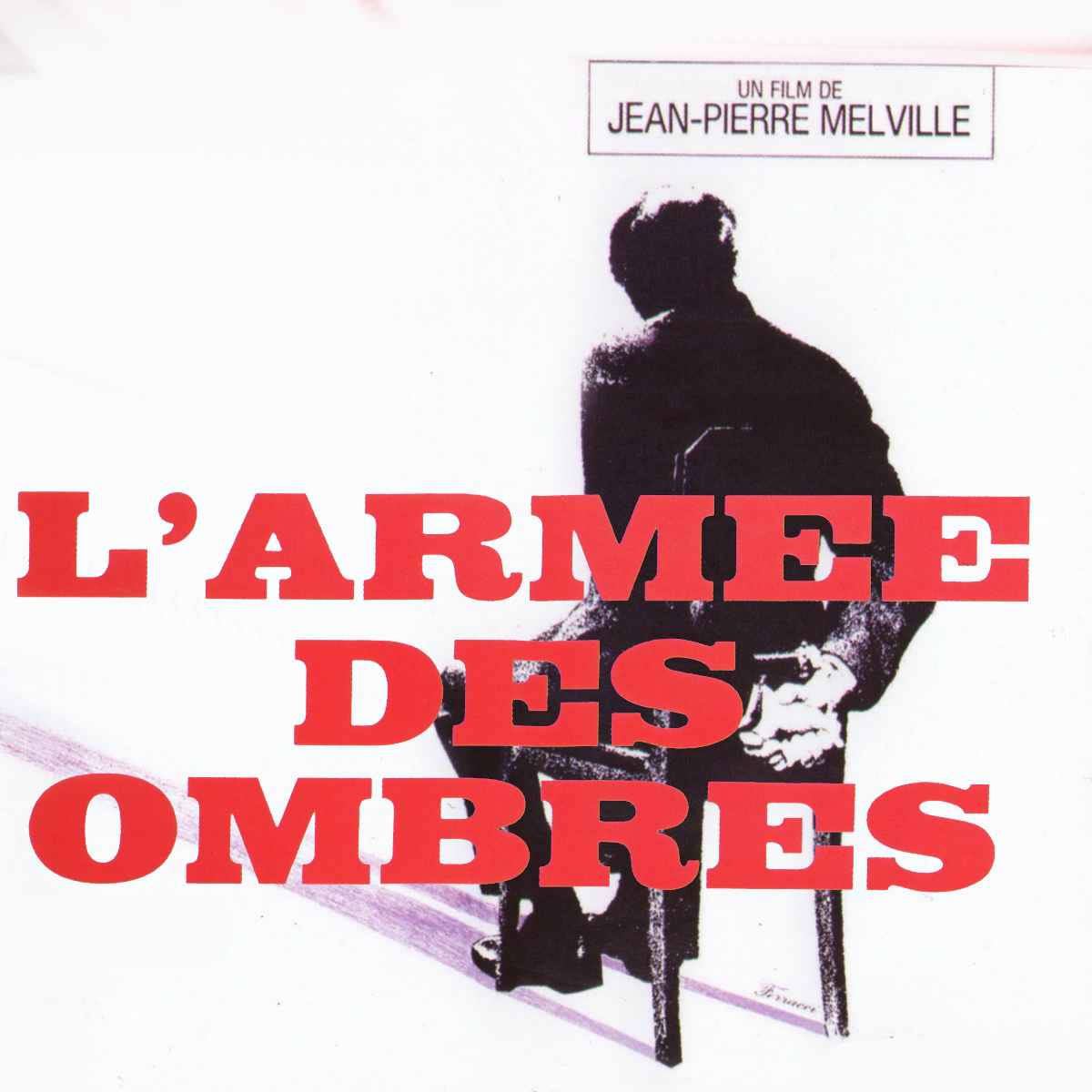
Army of Shadows is a spy thriller set in Nazi-occupied France and follows the fates of a few members of the French La Résistance. I liked it.
I found the film when I was looking for more media to scratch my revolutionary spy thriller and film noir itch after having finished the second season of Andor.
It is definitely a product of its time, and of France. The "show—don't tell" advice is not taken, and the things happening are frequently explained using exposition text appearing on screen and read by the "narrator" (the person on whom the plot is focused at the moment). There are some scenes which, in my opinion, are just slowing things down eg, I do not think showing people folding clothes, or eating a sandwich on a plane, is necessary.
The slowness is especially jarring because at other times Jean-Pierre Melville, the director, knew exactly what to do to show how things happen and keep the plot going. I do not mean attention-grabbing action sequences with car chases, explosions, etc; I mean meaningful actions, events, and conversations.
For example, there is a a scene where Madame Mathilde tells Gerbier that he should lay low for a while because he is wanted by the police. He dismisses her warning, and is then promptly apprehended in the next scene. This is a mirror of what happens to Mathilde later. Gerbier warned her that she should not carry a photo of her daughther with her, she disregards the advice, and when she is arrested the Nazis use the photo as leverage—they threathen to send Mathilde's daughther to a brothel for Eastern Front soldiers.
When Gerbier is arrested we see it happen, we see the consequences of his carelessness. When Mathilde is arrested all we get is an exposition dump delivered by Luc. It was probably done this way to make the arrest a surprise, but... a scene showing it would be a surprise too, and then Luc could come to Gerbier to talk what to do next, how to deal with the situation at hand.
In general, though, I think the film is a good one. While slow at times, it is efficient when it needs to be, and shows the dilemmas, problems, and necessary ruthlessness of a resistance movement. It is evident especially in scenes where Philippe Gerbier orders someone to be killed—even if they were a former member of La Résistance.