Fury (1936)
Published:
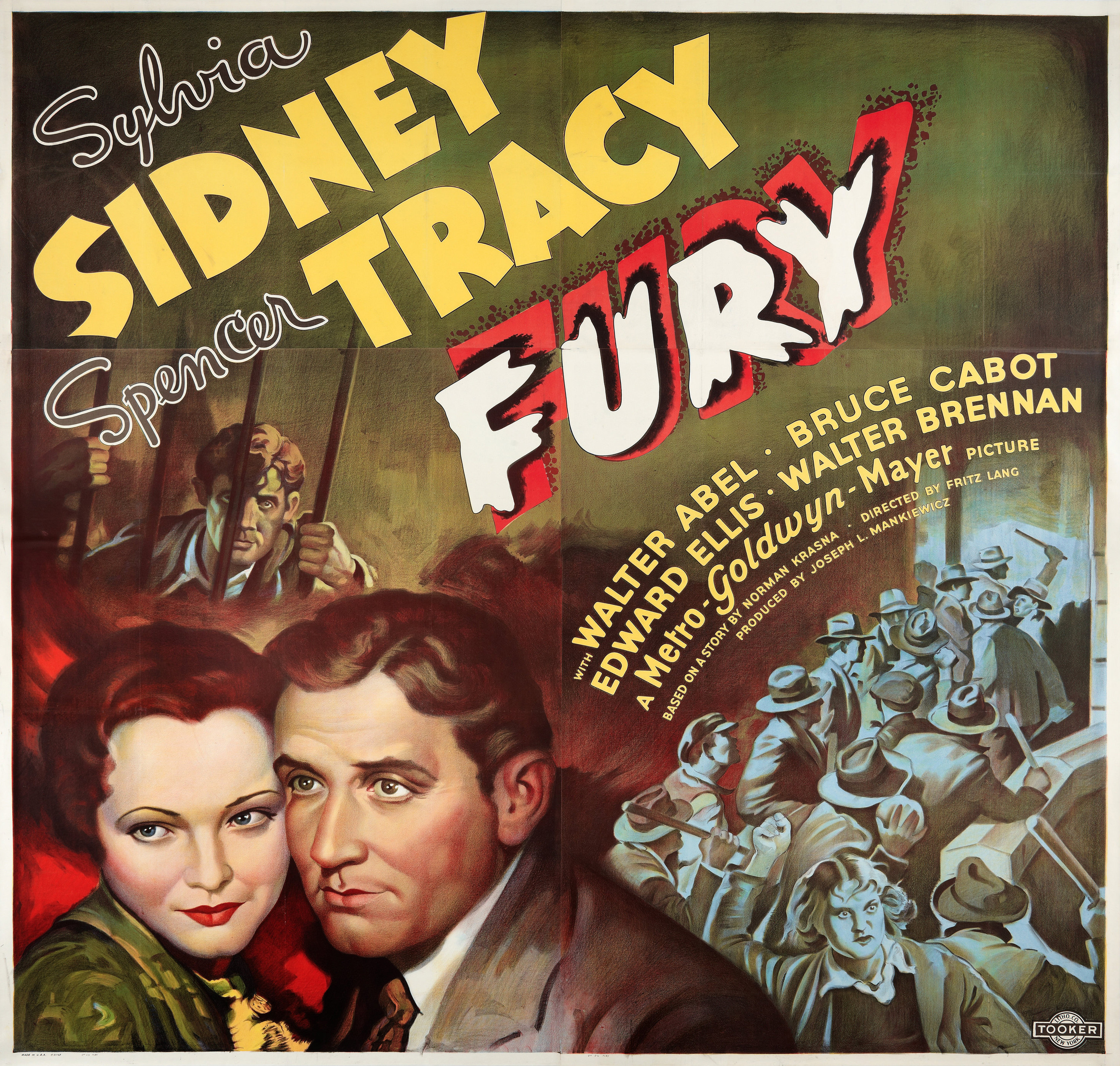
Fury (1936) is one of the best films I have ever watched. It deals with issues and emotions that are bound to come up in any era: mob justice and lynching, love, lust for vengeance, betrayal, gossip.
The one point where I am a little bit disappointed with Fury is its ending. Throughout the film, Joe changes from a meek, law-abiding citizen into a vengeful demon of ruthless justice... only to be pulled back at the last moment by his love for Katherine, his fiance. I understand why the writers and the director chose to have the plot go like this. You cannot have vigilantism, law and order must be upheld, and the ending must be "good" and deliver a lesson in ethics.
I disagree with this, for what it's worth.
Near its end, the film starts to painting Joe as the bad guy who is out for blood, and not as the victim who rightfully seeks justice. His brothers try to reason with him, his fiance tries to guilt-trip him. However, none of them have been nearly burned to death by an irrational mob; none of them have been written off by politicians as a necessary casualty in the struggle for votes; none of them have seen their lynching considered merely a stain on a town's image, a faux-pas that should best be forgotten. None of them have been, essentially, utterly dehumanised and stripped of any worth and value.
In my opinion, Joe had every right to lash out and see those people dead.
They did not regret murdering him — they regreted the bad image their town got after it turned out he was an innocent man. They thought he was dead, and decided to leave it at that. They went on with their life believing that they killed an innocent person, but that it was fine and not something deserving punishment.
My view is that as soon as someone threatens another person with death, they should be ready to receive that same consequence. If you decide murder is fine and does not have to be punished, you should accept that you may be murdered one day. Courts in several european countries think otherwise; that is why people can be convicted for defending themselves or their loved ones because they used "too much" force. It is not only wrong and unjust, it is also demoralising and weakens trust in the law and the state.
The film should have been half an hour longer and taken its time to show the people who lynched Joe dead. Then, it should have either shown Joe being overwhelmed by his conscience and doubt, spiralling into depression, and ultimately suicide; or living alone in exile, because he can't reveal that he is alive. Either ending would show the wrongness of murder.
All in all, it is still an incredible film. I just wish the ending was better.